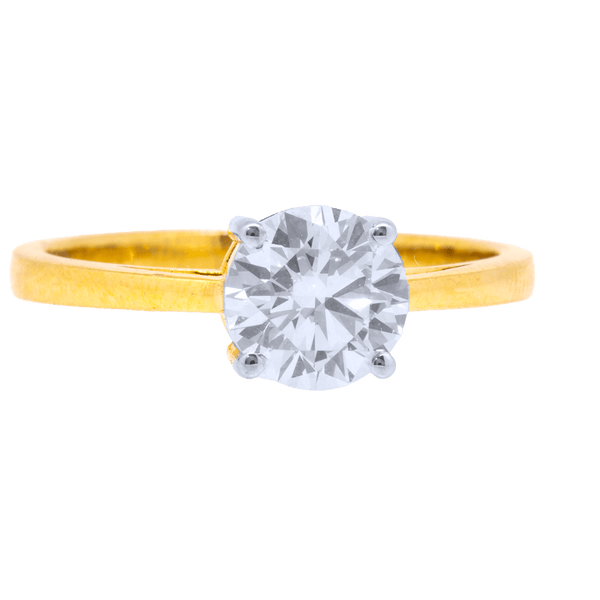
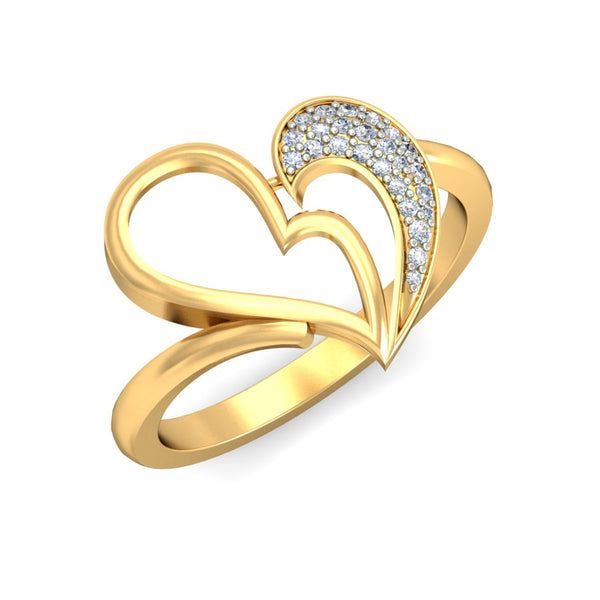
9K Gold Hallmarking in India: A Buyer’s Guide to 375 Gold
Shopping for 9K gold jewellery? Start with two separate questions: how much gold is in the metal, and how can you check the hallmark on the piece you are buying? If the design includes lab-grown diamonds, there is a third question: what information is provided about the stones?
This guide explains what 9K and 375 mean, how BIS hallmark verification works in India, and what to ask before you choose your jewellery.
What is 9K gold, and what does 375 mean?
Gold karatage describes the proportion of gold in an alloy on a 24-part scale. Nine-Karat gold contains 9 parts gold out of 24, or 37.5% gold by mass. The remaining 62.5% is other alloying metals. The fineness number 375 expresses the same gold content as 375 parts per thousand.
So 9K and 375 describe the same purity level. They do not describe the weight of the jewellery or the size of a diamond. A 9K gold piece is a gold alloy, not pure gold; the term alone also does not mean gold-plated.
For perspective, BIS lists 14K at 585 fineness and 18K at 750 fineness. A higher fineness means a higher proportion of gold, not automatically a better choice for every buyer. Compare the design, net gold weight, stone details and full price rather than choosing by karatage alone.
Can 9K gold be hallmarked in India?
Yes. The Bureau of Indian Standards’ hallmarking scheme brief, updated on 1 October 2026, includes 9K gold with a minimum fineness of 375. For a buyer, the practical next step is to inspect and verify the actual piece rather than rely on a product name or a verbal assurance.
What should a gold hallmark show?
Under the HUID system, BIS describes three components of a gold hallmark:
- The BIS Standard Mark or logo.
- The purity in karatage and fineness, corresponding to 9K and 375 for nine-karat gold.
- A six-character alphanumeric Hallmark Unique Identification number, or HUID.
A 375 stamp tells you the stated fineness. On its own, it is not the complete BIS hallmark. Ask the jeweller to show you all three components, using magnification if necessary.
How to verify a HUID before buying
- Ask to see the HUID marked on the exact jewellery piece you intend to buy. Read it from the item, not just a photograph of a similar design.
- Open the official BIS Care app and select Verify HUID.
- Enter the six-character alphanumeric HUID carefully.
- Review the returned record and compare its purity information with the piece being offered. BIS also explains that the lookup provides information related to the jeweller’s registration.
- If the number cannot be verified or the information does not match, ask the jeweller to resolve the discrepancy before you pay.
Keep the purchase invoice. Check that it identifies the article and records the net precious-metal weight, purity in karatage and fineness, and hallmarking charges. Ask for the stone details and other price components to be explained separately, too. BIS notes that consumers can have the purity of hallmarked jewellery verified at a BIS-recognised Assaying and Hallmarking Centre.
Where do lab-grown diamonds fit in?
Think of a 9K gold piece with lab-grown diamonds as two materials with separate information to check. The 9K/375 description concerns the gold alloy. It does not describe the diamond’s origin, weight or quality.
Lab-grown diamonds are made through technological processes and have essentially the same chemical composition, crystal structure, optical and physical properties as natural diamonds. Their growth origin is different and should be clearly disclosed.
A gold hallmark is not a diamond grading report. Ask whether the stones are lab-grown, what their stated weights and quality details are, and whether a laboratory report is supplied for the specific stone or jewellery. If a report is provided, check it with the issuing laboratory. Do not assume that every piece comes with a report, or that a hallmark establishes diamond quality.
A simple checklist for your purchase
- Confirm that the selected design is described as 9K gold, with 375 fineness.
- Inspect the complete hallmark and verify the actual item’s HUID.
- Separate net gold weight from stone weight when comparing pieces.
- Check the disclosure and any available reports for lab-grown diamonds.
- Understand the total price and ask about care, resizing, returns and exchange terms before paying.
Ready to compare designs? Explore our 9K Jewellery collection, then check the individual product details and ask us about the hallmark and stone information for your chosen piece.
The key distinction is simple: 9K tells you the gold purity, the hallmark provides information you can verify, and diamond documentation answers a different set of questions. Check each separately for a more informed purchase.
Sources and further reading
Hallmarking information checked against BIS guidance available in November 2026. For current guidance and verification, refer to the official sources below.